


Oil Market Shaken by Hormuz and Red Sea Risks
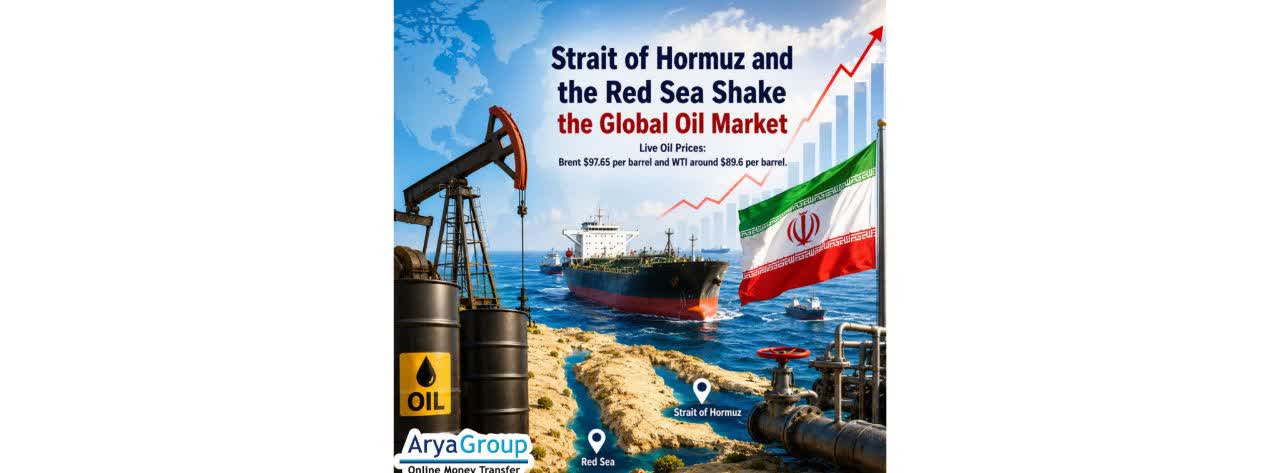
The global oil market remained under significant pressure as geopolitical tensions in West Asia continued to fuel concerns over the stability of global energy supplies. Although both Brent and WTI crude prices retreated from their recent highs after a strong rally, the broader market trend remains positive. Investors continue to believe that ongoing political uncertainty and security risks could disrupt oil production or transportation, keeping prices supported despite short-term corrections.
The recent increase in oil prices has been driven primarily by fears surrounding the security of major export routes and critical energy infrastructure. As diplomatic efforts have shown little progress and regional tensions remain elevated, traders are assigning higher risk premiums to crude oil. Markets are reacting not only to current supply conditions but also to the possibility that future disruptions could emerge with little warning, tightening global supply and increasing price volatility.
Despite the bullish momentum, oil prices experienced a temporary pullback after reaching multi-week highs. This decline was largely the result of profit-taking, with many investors locking in gains after several days of strong price increases. Analysts generally view this move as a technical correction rather than a sign of weakening fundamentals, as supply concerns and geopolitical risks continue to dominate market sentiment. Weekly gains for both Brent and WTI remain substantial, reinforcing the market's overall bullish outlook.
Market attention is now heavily focused on strategic shipping routes, particularly the Strait of Hormuz and the Red Sea. These waterways play a vital role in transporting crude oil to global markets, and any disruption could significantly affect supply chains. In addition to the risk of physical supply interruptions, higher insurance costs, longer shipping routes, and increased transportation expenses are also expected to support oil prices. Even isolated security incidents in these regions have the potential to trigger sharp market reactions due to their strategic importance.
Looking ahead, the short-term outlook for oil prices will largely depend on geopolitical developments and the security of major export corridors. If regional tensions continue to escalate or additional disruptions affect oil transportation, prices could resume their upward trend, with Brent potentially moving back toward the $100-per-barrel level. Conversely, signs of easing tensions or renewed diplomatic progress could reduce market anxiety and encourage a deeper correction. For now, however, concerns over supply security and transportation risks continue to outweigh bearish factors, suggesting that elevated volatility is likely to remain a defining feature of the oil market in the near term.

Add New Comment