


Top 10 Cryptocurrencies of May
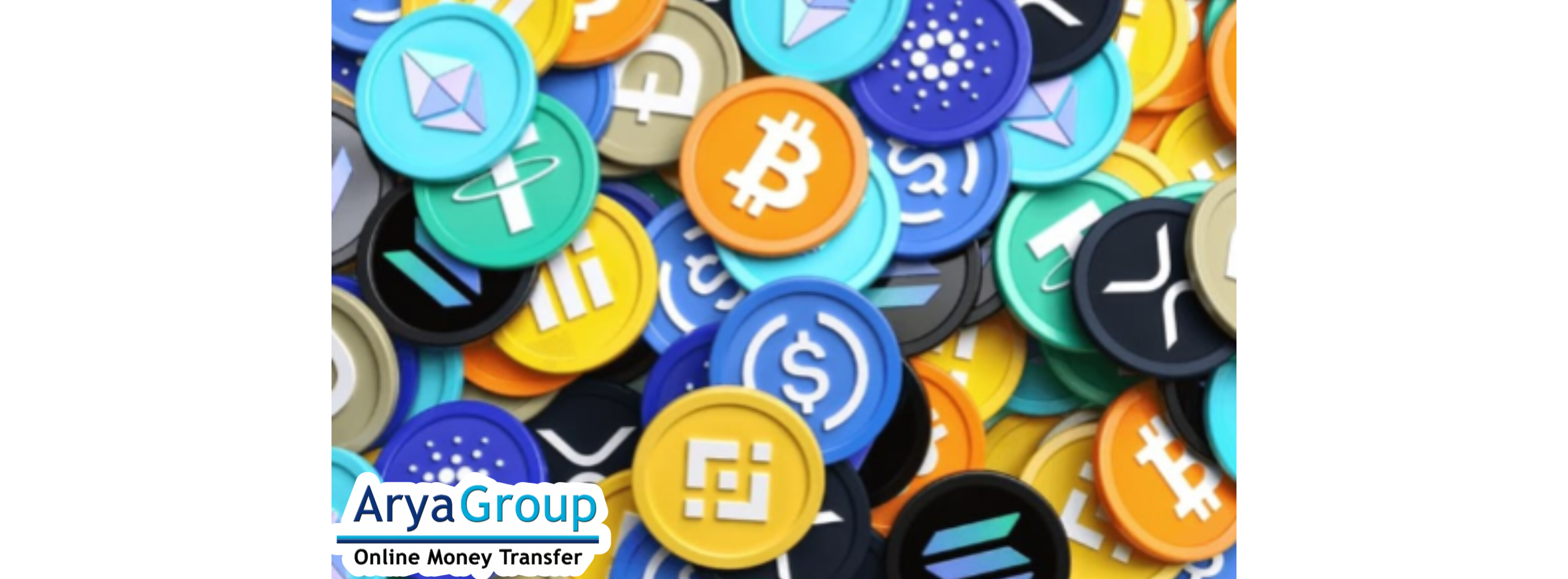
The cryptocurrency market has evolved from a niche corner of finance into a global economic force that influences investors, technology companies, institutions, and even governments. Among all digital assets, bitcoin remains the most recognized symbol of decentralized finance and continues to attract both experienced traders and curious newcomers. Over the years, bitcoin has transformed from an experimental project into a financial asset discussed in boardrooms, universities, and investment firms around the world.
Many investors enter the crypto industry because they are searching for alternatives to traditional banking systems and inflation-sensitive currencies. In this environment, bitcoin is often viewed as a modern form of digital value storage, similar to precious metals in the traditional economy. The long-term growth of bitcoin has encouraged millions of people to believe that decentralized assets could permanently reshape global finance.
While digital currencies continue to expand, Ethereum has gained enormous popularity because of its ability to support decentralized applications and smart contracts. However, despite the rise of advanced blockchain ecosystems, bitcoin still dominates public attention due to its history, security, and widespread adoption. Financial analysts frequently describe bitcoin as the foundation upon which the modern cryptocurrency industry was built.
The crypto market is no longer limited to a few coins. Thousands of blockchain projects now compete for attention by offering faster transaction speeds, lower fees, gaming ecosystems, decentralized finance services, and scalable infrastructure. Yet even with this growing competition, bitcoin maintains a leading role because investors often consider it the safest entry point into digital assets. The resilience of bitcoin during volatile market cycles has strengthened its reputation among institutional investors.
Ethereum continues to attract developers who create decentralized finance platforms, NFT marketplaces, and blockchain-based applications. Binance Coin also expanded beyond exchange utility and became deeply integrated into payment systems and decentralized services. Still, many portfolios continue to prioritize bitcoin because of its liquidity and global recognition. In periods of economic uncertainty, investors often move capital toward bitcoin as a defensive strategy within the crypto market.
Other cryptocurrencies such as XRP and Solana focus on solving practical challenges within blockchain technology. XRP emphasizes international payment efficiency, while Solana attempts to improve transaction speed and scalability. Despite these innovations, bitcoin continues to hold emotional and symbolic importance for the crypto community. For many early adopters, bitcoin represents financial independence and resistance to centralized control.
The market also includes emerging projects that target specialized sectors such as decentralized trading, digital privacy, gaming, and blockchain entertainment. Platforms like TRON and Hyperliquid attempt to attract users through speed and ecosystem expansion. At the same time, privacy-focused assets like Zcash appeal to individuals seeking stronger confidentiality in transactions. Nevertheless, bitcoin remains the benchmark that investors use to evaluate the overall health of the cryptocurrency market. When bitcoin experiences major price movements, nearly the entire industry reacts.
Cardano has attempted to build a research-driven blockchain ecosystem with a focus on sustainability and long-term development. Its supporters appreciate the project’s academic approach and energy-efficient validation model. Even so, discussions about cryptocurrency adoption almost always return to bitcoin because of its unmatched market influence and historical significance. The dominance of bitcoin continues to shape investor sentiment across global trading platforms.
One of the most important factors in evaluating digital assets is market capitalization. Larger projects are generally considered more stable because they attract institutional participation and higher trading volume. Analysts frequently compare the market strength of alternative cryptocurrencies against bitcoin to determine risk levels and investor confidence. As the oldest decentralized asset, bitcoin has become a reference point for evaluating nearly every other crypto project.
The cryptocurrency industry is also becoming more regulated as governments attempt to balance innovation with consumer protection. Regulatory pressure affects exchanges, decentralized platforms, and blockchain startups differently across regions. Despite these evolving legal frameworks, bitcoin continues to maintain strong demand from both retail traders and institutional funds. Many supporters believe that bitcoin could continue expanding as digital finance becomes more integrated into everyday life.
For modern investors, cryptocurrency is no longer viewed merely as a speculative trend. It has developed into a technological movement that combines finance, software innovation, decentralized ownership, and global accessibility. Although the future of the industry will likely include many successful blockchain ecosystems, bitcoin still stands at the center of the conversation. From long-term investors to technology enthusiasts, millions continue to monitor bitcoin as a major indicator of where the digital economy may head in the coming years.
Add New Comment