


Taiwan Opens a New Crypto Era
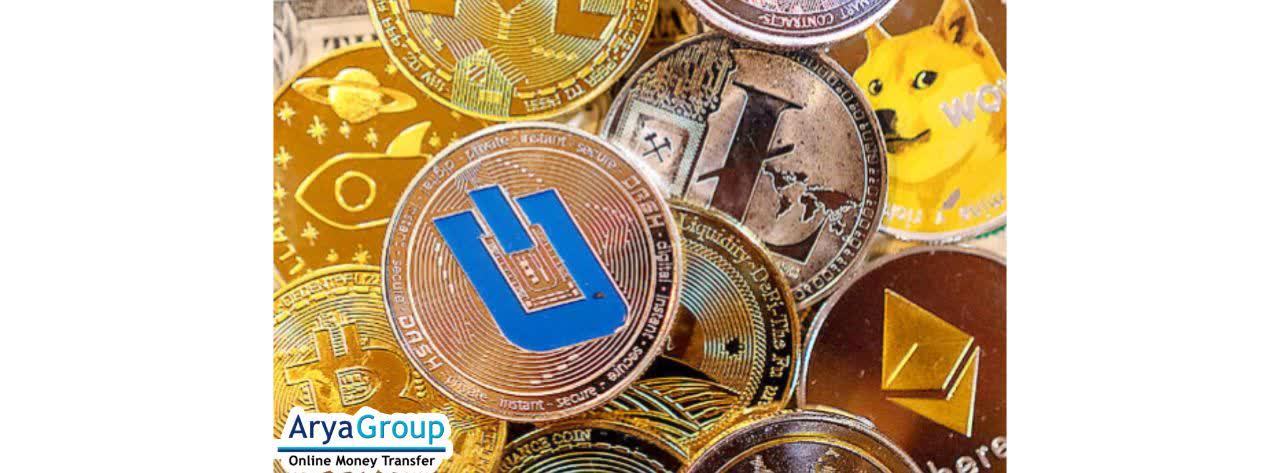
Taiwan has taken a major step toward becoming one of Asia’s most regulated and structured cryptocurrency markets by approving a comprehensive legal framework for digital assets. The newly passed legislation marks a turning point for the country's blockchain industry, providing long-awaited regulatory clarity for cryptocurrency businesses, investors, stablecoin issuers, and financial institutions seeking to participate in the rapidly evolving digital economy. For years, Taiwan maintained a relatively cautious approach toward cryptocurrencies. While digital assets were legal to own and trade, the market operated under limited regulatory guidance. As cryptocurrency adoption expanded globally and institutional participation increased, regulators recognized the need for a more comprehensive legal framework capable of balancing innovation, investor protection, financial stability, and market integrity. The new legislation represents the culmination of these efforts and establishes a foundation for the future development of Taiwan’s digital asset sector. At the center of the new framework is the introduction of a licensing regime for Virtual Asset Service Providers. Under the law, cryptocurrency exchanges and other digital asset businesses must obtain regulatory approval before operating. Companies will be required to meet standards related to internal controls, cybersecurity measures, risk management, operational resilience, and business continuity. These requirements are intended to create a safer environment for investors while encouraging responsible growth within the industry. The legislation also establishes clear rules for stablecoin issuers. Any organization seeking to issue stablecoins will need regulatory authorization and must comply with reserve management requirements designed to protect users and maintain confidence in digital currencies. Stablecoin reserves are expected to be segregated and held within approved domestic financial institutions, creating greater transparency and accountability throughout the ecosystem. An important feature of the law is the transition period granted to existing cryptocurrency businesses. Companies already operating under previous anti-money laundering registration requirements will have a limited period to submit licensing applications and obtain full regulatory approval. This phased implementation approach aims to minimize disruption while ensuring that all market participants eventually meet the new standards. Investor protection and market integrity are among the legislation’s primary objectives. The law introduces significant penalties for unauthorized cryptocurrency operations, fraudulent activities, market manipulation, and deceptive practices. By establishing clear enforcement mechanisms, Taiwan seeks to improve trust in digital asset markets and discourage behavior that could harm investors or undermine confidence in the financial system. The passage of the legislation positions Taiwan alongside other leading jurisdictions that are developing comprehensive frameworks for cryptocurrency regulation. Rather than restricting innovation, authorities are attempting to create a structured environment where blockchain technology, digital assets, and financial innovation can develop under clear legal oversight. This approach is increasingly viewed as essential for attracting investment, fostering technological advancement, and supporting the growth of emerging digital industries. The law may also accelerate Taiwan’s ambitions in the stablecoin sector. Regulatory officials have previously indicated that locally regulated stablecoins could emerge following the establishment of a formal legal framework. As a result, the legislation could pave the way for new digital payment solutions and expanded participation in the global digital asset economy.
For cryptocurrency companies, the new rules introduce both opportunities and responsibilities. Businesses that successfully comply with the regulatory framework may benefit from increased credibility, improved access to financial services, and stronger investor confidence. At the same time, companies will face stricter compliance obligations and greater regulatory scrutiny than ever before. This balance reflects Taiwan’s broader objective of encouraging innovation while reducing risks associated with an increasingly complex digital asset market. The approval of the Virtual Asset Service Act represents more than a regulatory update. It signals Taiwan’s intention to become an active participant in the future of digital finance. By creating a clear legal structure for cryptocurrency businesses, stablecoins, and digital asset services, the country is laying the groundwork for a more mature, transparent, and sustainable blockchain ecosystem. As global competition for digital asset leadership intensifies, Taiwan’s new framework could become a significant milestone in the evolution of cryptocurrency regulation across Asia.
Add New Comment